





![SYNVISC_ONE_6ML[1]](https://cosmodirectsupply.com/wp-content/uploads/2024/02/SYNVISC_ONE_6ML1-e1721064024562-100x100.png.webp)













These days, you can see patients in their twenties without pronounced wrinkles and no volume loss. They’re asking what to do now to slow down what happens later. That conversation has become routine in aesthetic practices across the globe.
Prejuvenation has moved from a niche request to a well-defined segment of the patient base. Gen Z and Millennial patients alike are booking consultations earlier and asking more detailed and thoughtful questions. By 2026, they want and even expect a practitioner to explain the reasoning behind a recommendation and not just perform it. This changes the consultation process and which options you need to offer, and how you discuss them with the patient.
Growing Numbers
The shift is real. According to ASPS, Dermatology Times and Guidepoint Qsight data, over the past years there has been a significant increase in the number of young patients and the share of revenue they provide.
|
Metric |
Change |
|---|---|
|
Gen Z’s share of the aesthetics patient population |
4% in 2017 to about 10% in 2024 |
|
Gen Z’s neurotoxin spend as a share of non-surgical spending |
12% in 2021 to 20% in 2025 |
|
Under-30 patients requesting facial cosmetic procedures, and Botox/filler use among patients 20 to 29 |
Up 64% increase (Botox up 28%, fillers up 32% since 2010) |
|
Syringes used per treatment plan, Gen Z vs. Millennial patients |
About 1 vs. 2 to 3 |
This showcases that the market now has an entirely different structure. You can’t disregard this growing demand and their needs.
Real Reasons Younger Patients Are Choosing Prevention Over Correction
You need to understand your clients on a deeper level. When you know where their insecurities are rooted, you can offer what they need and build trust.

Growing Up in Front of a Camera
This new generation of clients has a rather peculiar relationship with their own faces, once that runs through a screen and is influenced heavily by social media. From a young age, they take selfies with beauty filters, edit their photos, and see hundreds of edited photos of others online. All these have turned facial self-scrutiny into a natural pattern. Dr. Tijion Esho even created the term Snapchat dysmorphia for this phenomenon. It describes patients who bring a filtered selfie and ask a practitioner to recreate that face, not a celebrity’s.
Financial Argument
Young patients see prejuvenation as a cost decision as often as a cosmetic one. Preventing a deep static line costs less over a lifetime than correcting one. Patients weigh that logic against student debt and a tighter cost of living. Small, regular treatments read as the more sustainable option. A single treatment every few months feels manageable in a way that a larger correction package years down the line does not.
Wellness as the Frame, Not Vanity
This generation rarely describes injectables as an indulgence. In consultations, patients talk about skin health, sleep, sun protection, and stress. They talk about these things the same way they talk about a supplement stack or a training program. A neuromodulator injection sits on the same shelf as sunscreen and retinoids in that framing. It does not sit on a separate shelf reserved for vanity.
Practices that speak this language tend to build stronger trust with this group than those that lean on appearance-based marketing alone.
The Collagen Banking Demand
Collagen banking is a term younger aesthetic medicine patients increasingly bring up themselves, often after finding it on social media. The biology behind this holds up in outline. Age-related collagen loss is well documented. Biostimulators do increase collagen production.
Where the term runs ahead of the evidence is the word banking itself. A bank implies a guaranteed, withdrawable balance. No published data yet shows that biostimulation in a 25-year-old produces a quantifiable, lasting advantage twenty years later. That kind of long-term study has not been done yet. The trend itself is too recent to have produced one.
The honest position for a practice is this: collagen banking is a reasonable, biologically plausible preventative strategy. It is not a proven insurance policy. Patients deserve that distinction stated plainly. A practitioner who oversells the certainty of a long-term benefit sets up an expectation the current research cannot back. That gap tends to surface in patient trust later, rather than in the treatment room today.
Building a Prejuvenation Protocol Without Overtreating

A prejuvenation protocol only works if it resists the temptation to treat like a correction case. Patients requesting this kind of care usually have little to correct. The entire approach needs to be recalibrated around restraint, not volume. Effective filler treatment protocols for younger patients tend to share a few features:
|
Protocol Element |
What It Looks Like |
|---|---|
|
Dosing |
Conservative and low-intensity, aimed at maintaining tissue quality rather than changing facial structure |
|
Cadence |
Spaced out enough to let collagen build gradually, without stacking sessions too close together |
|
Focus |
Texture, hydration, and resilience, not volume or contour |
|
Endpoints |
Clear stopping points, so the patient understands when a protocol is complete rather than open-ended |
These features keep a protocol aligned with what the patient actually needs. They do not chase everything a treatment menu can technically offer. A clinic that treats every consultation as a chance to add volume to a 23-year-old’s face is optimizing for a single visit, not for years of care.
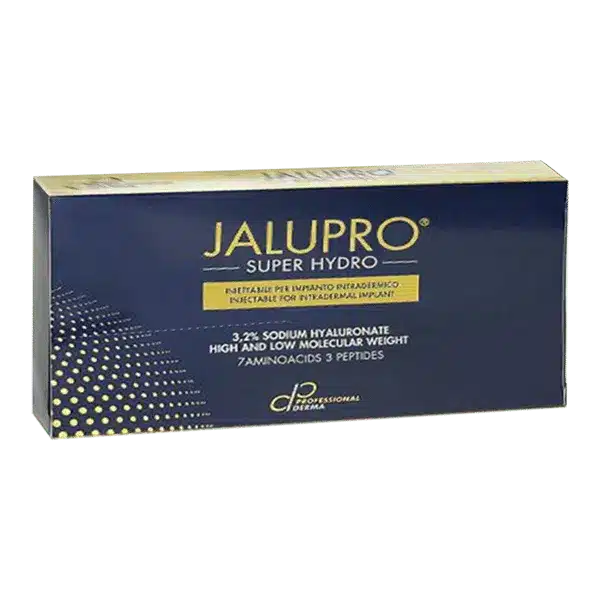
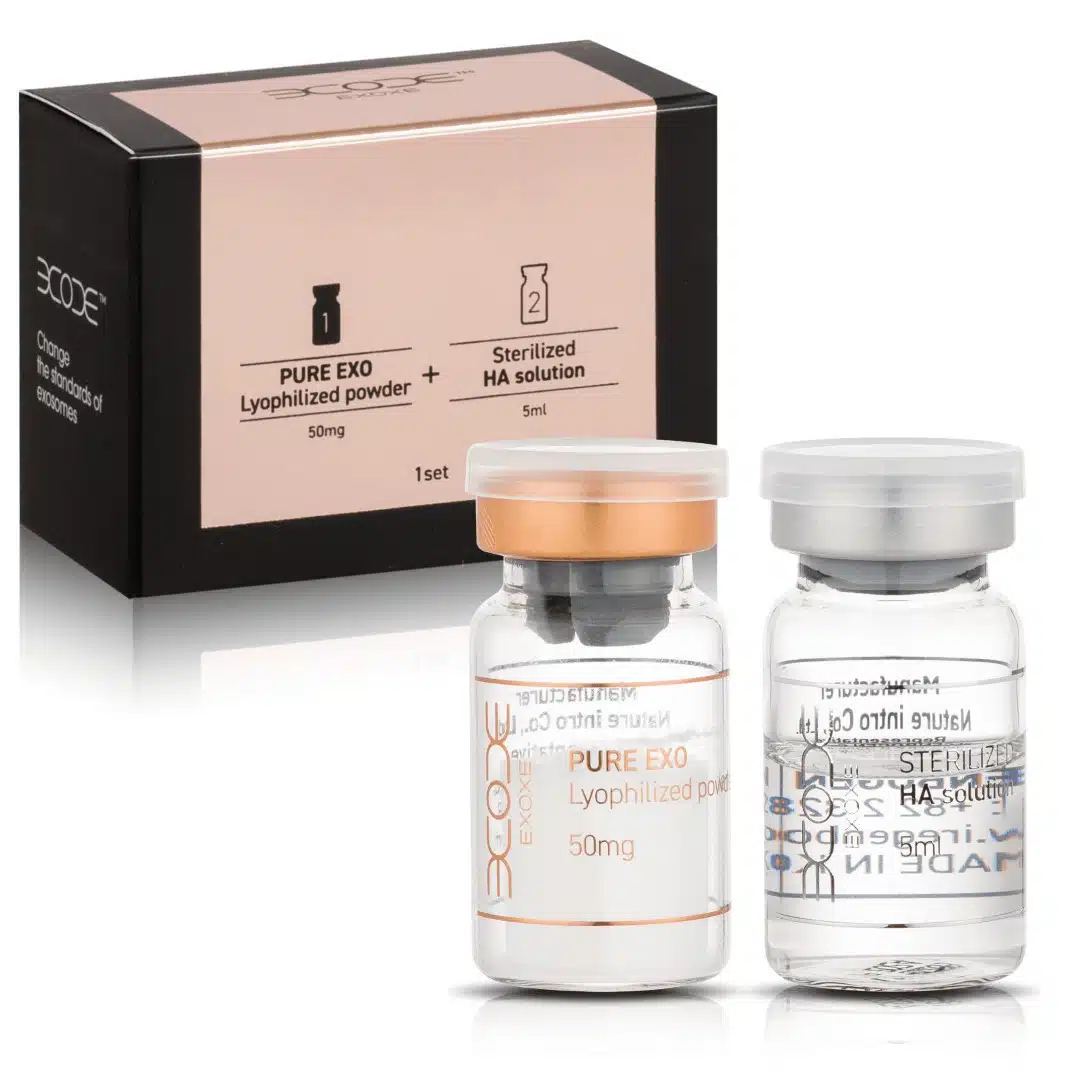
The product categories that fit a prejuvenation protocol differ from those built for correction. Skin boosters such as Profhilo and lower-concentration hyaluronic acid formulations address hydration and texture. They do not add volume the patient does not need. Polynucleotide and exosome-based treatments target tissue quality directly. They have grown in popularity with this younger group because they build skin quality without adding volume. Biostimulators such as Sculptra still have a role, but at a lower intensity and a longer interval than the protocols built for patients in their forties and fifties.
Stocking through a wholesale aesthetic medicine supplier like Cosmo Direct Supply (for licensed practitioners only) makes it easier to separate these lighter, maintenance-focused options from heavier correction products. That way, the product matches the patient instead of defaulting to whatever already sits in the treatment room.
Screening Younger Patients Responsibly

Treating young patients responsibly requires more scrutiny at intake, not less. Body dysmorphic disorder is more common among people seeking cosmetic procedures than in the general population. Younger patients researching treatments through heavily filtered social content are among the most exposed to that risk.
A thorough intake should watch for a specific set of warning signs:
- Expectations that seem disconnected from the patient’s actual anatomy
- A pattern of seeking multiple prior procedures for the same concern
- Anatomy that already falls within a normal, healthy range
- A history of significant psychiatric comorbidity or past trauma tied to appearance
- Signs of social withdrawal connected to appearance concerns
None of these signs alone rules out treatment, but seeing several at once calls for a slower process. In some cases, that means a referral rather than an injection. In Australia, updated regulatory guidelines now call dermal fillers inappropriate for anyone under 18, and require documented parental consent plus a seven-day cooling-off period before treating minors for other procedures. Practices elsewhere should expect similar rules to keep tightening. A practice that documents this kind of screening consistently protects the patient and itself in equal measure. Saying no to a consultation, when the signs point that way, is one of the clearest signals of a trustworthy clinic.
What the Shift Means for Your Practice
None of this changes what a practice sells. It changes how a practice sells it, and to whom. A menu built entirely around correction reads as irrelevant to a 26-year-old asking about prevention. That is especially true when pricing and marketing are aimed at patients already showing visible signs of aging.
A few adjustments tend to matter most:
- Separate consultation scripts for prevention-focused patients versus correction-focused patients
- A visible maintenance tier on the treatment menu, priced and described differently from correction packages
- Staff trained to explain mechanism and timeline rather than lead with before-and-after photos that do not apply to this group
- Marketing language built around wellness and skin health rather than transformation
Practices that make these adjustments are not chasing a passing trend. Gen Z alone has more than doubled its share of the aesthetics patient base since 2017. This number keeps climbing up to this day.
New Approach for the New Generation
Younger aesthetic medicine patients are not asking practices to do something entirely new. They are asking for smaller doses, longer time frames, and more explanation. They want a menu that treats prevention as its own category, not an early version of correction. The data shows this group already represents a meaningful share of patient volume. That share grows every year. Practices that build screening, protocols, and consultation language around what this group needs will be better positioned to treat them well. The goal is not just to treat them often.
Working with Young Aesthetic Medicine Patients FAQ
-
Should I present collagen banking as a guaranteed result or a preventative strategy?
As a preventative strategy, never as a guarantee. The biology is plausible: collagen decline is well documented, and biostimulators do increase collagen production. But no published long-term study shows that biostimulation in a 25-year-old still pays off decades later. Present it honestly as "reasonable and biologically supported," not as an insurance policy. Overselling the certainty here is what erodes patient trust later.
-
What products belong in a prejuvenation protocol versus a correction protocol?
Skin boosters (like Profhilo) and lower-concentration hyaluronic acid formulations for hydration and texture; polynucleotide and exosome-based treatments for tissue quality without added volume; and biostimulators (like Sculptra) at a lower intensity and longer interval than you'd use for correction-focused patients. The goal is matching the product to the patient's actual need, not defaulting to whatever's already stocked for correction cases.
-
How should I structure pricing and menu tiers for prejuvenation patients?
Separate it clearly from your correction menu. Create a visible, distinctly priced maintenance tier, with its own consultation script. Train staff to lead with mechanism and timeline rather than before-and-after photos, since those don't apply to a patient who has little visible aging to "fix." Treating every consultation as a chance to upsell volume optimizes for one visit, not for years of retention.
-
Do younger male patients need a different consultation approach?
Generally, yes. Male patients tend to respond better to language centered on looking rested and sharp rather than beauty-marketing language borrowed from campaigns aimed at women. Adjusting your consultation script for this group tends to improve follow-through.
-
Why are younger patients seeking preventative aesthetic treatments?
Younger aesthetic medicine patients cite a few recurring reasons. Social media self-scrutiny is one. So is a financial preference for smaller ongoing treatments over bigger corrections later. Many also hold a wellness-based view of skincare, one that treats injectables as part of a broader health routine rather than a cosmetic indulgence.

 Dermal Fillers
 Skincare
 Live Chat
 My account